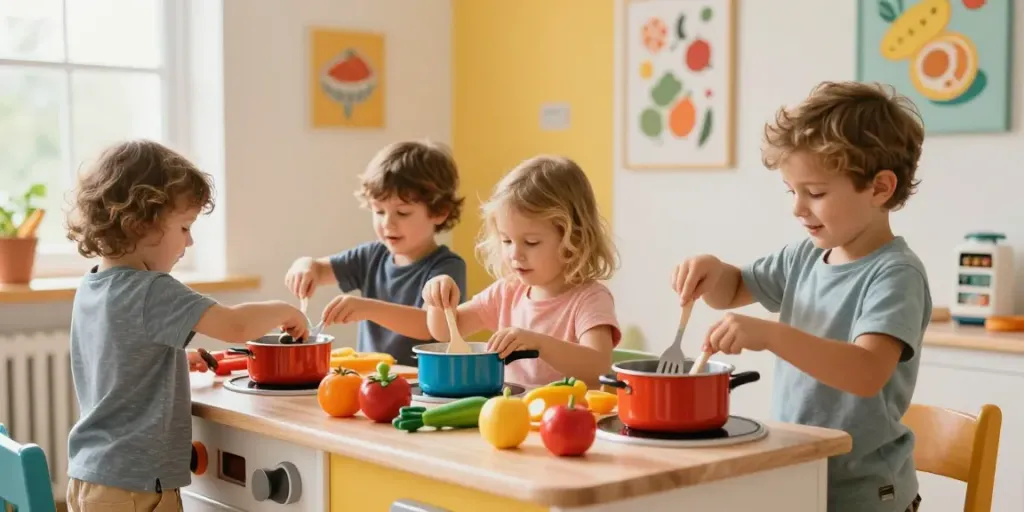
The Importance of Kids Kitchen Playsets
Play is an essential aspect of childhood, and when it comes to imaginative play, kids kitchen sets provide a unique platform for creativity and learning. These toy kitchens not only offer fun but also foster significant developmental benefits, allowing children to engage in role-playing that mirrors real-life experiences. Let's delve deeper into why kids’ kitchen playsets are crucial for child development.
Benefits of Pretend Cooking for Child Development
Pretend cooking is more than just fun; it plays a vital role in enhancing various developmental skills. Children learn to make decisions, solve problems, and develop social skills through collaborative play. For instance, when kids role-play cooking together, they improve their communication skills, learn to negotiate, and understand the importance of sharing. Additionally, such activities can bolster their fine motor skills as they engage with various kitchen tools and accessories.
How Kids Kitchen Sets Enhance Creativity
Kids kitchen sets are designed to inspire creativity. These playsets come in various styles, allowing children to create their culinary masterpieces. By using their imagination to prepare meals, children can explore different roles, from chef to restaurant owner, which encourages them to think creatively and expand their horizons. The addition of thematic accessories like play food and cooking utensils can further enhance this imaginative play.
Safety Standards and Material Considerations
When selecting a kids kitchen set, safety should be a priority. It's essential to choose products that adhere to safety standards to ensure that they are safe for children. Look for kitchens made of non-toxic materials that are durable enough to withstand vigorous play. Well-constructed kitchens not only enhance safety but also provide longevity, making them a worthwhile investment.
Selecting the Right Kids Kitchen for Your Child
Choosing the right kitchen set requires consideration of several factors, including your child’s age and interests. Different kitchens come with various features and sizes tailored to different age groups, ensuring that each child can enjoy the experience safely.
Age Appropriateness and Sizing of Kitchen Sets
Play kitchens are generally designed for children aged 2 to 6 years. When selecting a kitchen, consider your child's height and developmental stage to ensure they can interact with the set comfortably. The best kids kitchens will allow them to reach all areas easily, promoting engaging play without frustration.
Popular Features to Look for in Kids Kitchens
- Interactive Elements: Features such as lights, sounds, and moving parts make playtime more engaging.
- Storage Options: Kitchens that include storage space help teach organisational skills and keep play areas tidy.
- Realistic Accessories: Look for sets that come with a variety of kitchen tools and play food to enhance creative play.
Wooden vs. Plastic: Pros and Cons
When selecting a kids kitchen, parents are often faced with the choice between wooden and plastic options. Wooden kitchens are typically more durable and aesthetically pleasing, providing a more authentic cooking experience. However, plastic kitchens can be lighter and often offer more interactive features, such as sound effects. Ultimately, the choice depends on personal preference and safety considerations.
Creative Ways to Set Up a Kids Kitchen
Setting up a kids kitchen can be a fun project for both parents and children. An optimally set-up kitchen encourages more frequent and imaginative play, transforming any space into a culinary adventure.
Optimising Space for Play Kitchens in Your Home
Finding the right location for a kids kitchen is crucial. Consider places that allow for ample play space and easy access to parents or guardians, ensuring safety while the child is engaged in play. Whether in a playroom, bedroom, or living area, providing a dedicated area can enhance playtime quality.
Incorporating Real Cooking Tools Safely
Many children love to mimic adult behaviours, including cooking. To encourage this interest safely, consider integrating real kitchen tools that are age-appropriate, such as measuring cups or non-sharp utensils. Children can learn valuable kitchen skills early on while still engaging in play.
Themed Kitchen Ideas for Immersive Play
Themed play kitchens can enhance the imaginative experience. For example, a bakery theme can revolve around making pastries, while a restaurant theme might focus on preparing and serving meals. This approach not only makes play more exciting but also provides opportunities for learning about different cuisines and cultures.
Engaging Activities for Kids in Kitchen Play
Beyond the act of cooking, there are numerous engaging activities that can elevate playtime in a kids kitchen. These activities can foster learning while providing enjoyment and developing various skills.
Recipes for Imaginative Cooking Adventures
Parents can create simple, imaginative recipes for their children to make with their play kitchen. For instance, creating a “magical soup” with imaginary ingredients can spur creative thinking while teaching children about flavours and food combinations.
Organising Playdates with Kitchen Games
Playdates can be a fantastic opportunity for collaborative kitchen fun. Set up cooking challenges or themed parties where kids can work together to create pretend dishes. This not only enhances social skills but also adds to the fun of playtime.
Educational Games to Enhance Learning
Incorporating educational elements into kitchen play can be beneficial. Games that involve counting, measuring, or learning about nutrition can turn fun play into valuable learning experiences. For example, asking kids to count the number of apples they are “buying” can enhance their mathematical skills.
Future Trends in Kids Kitchen Designs and Accessories
As we look towards 2026 and beyond, kids kitchen designs are set to evolve significantly, integrating innovative ideas and sustainable practices to enhance play experience.
Innovative Features to Expect by 2026
Future kids kitchen sets may include advanced technology features such as interactive screens that encourage learning through cooking tutorials or recipe apps. These technological integrations can create a more immersive experience by blending learning with play.
Sustainable Kitchen Sets: Eco-Friendly Choices
With increasing awareness of environmental issues, the choice of materials in kids kitchen sets is likely to shift towards more sustainable options. Expect to see kitchens made from recycled materials or sustainably sourced wood, allowing parents to make eco-friendly choices for their children.
Integrating Technology into Kids Kitchen Playsets
As technology becomes a larger part of everyday life, its integration into kids kitchen sets is inevitable. From smart appliances that interact with children to virtual reality cooking experiences, the next generation of kids kitchens will offer unparalleled opportunities for imaginative and educational play.
What is the best kitchen for kids?
The best kitchen for kids balances safety, engagement, and age-appropriate features. Look for kitchens that offer a mix of interactive components and realistic designs.
What age to get rid of kids kitchen?
Most children will outgrow their kitchens by the age of 6 or 7, but this can vary individually. Consider transitioning to more sophisticated cooking experiences as their interests evolve.
How much does a kitchen set for kids cost?
Kids kitchens range in price from as little as £50 for basic models to upwards of £300 for larger, more elaborate sets with multiple features. The cost often reflects the quality and durability of the materials used.
Where can you buy kids kitchens?
Kids kitchens are widely available at various retailers, both online and in physical stores. Popular options include specialty toy shops, major retailers, and online platforms like Amazon.
What are popular trends in kids kitchen sets?
Current trends in kids kitchens include multifunctional sets that offer various play experiences, eco-friendly materials, and themed accessories that encourage imaginative play.